
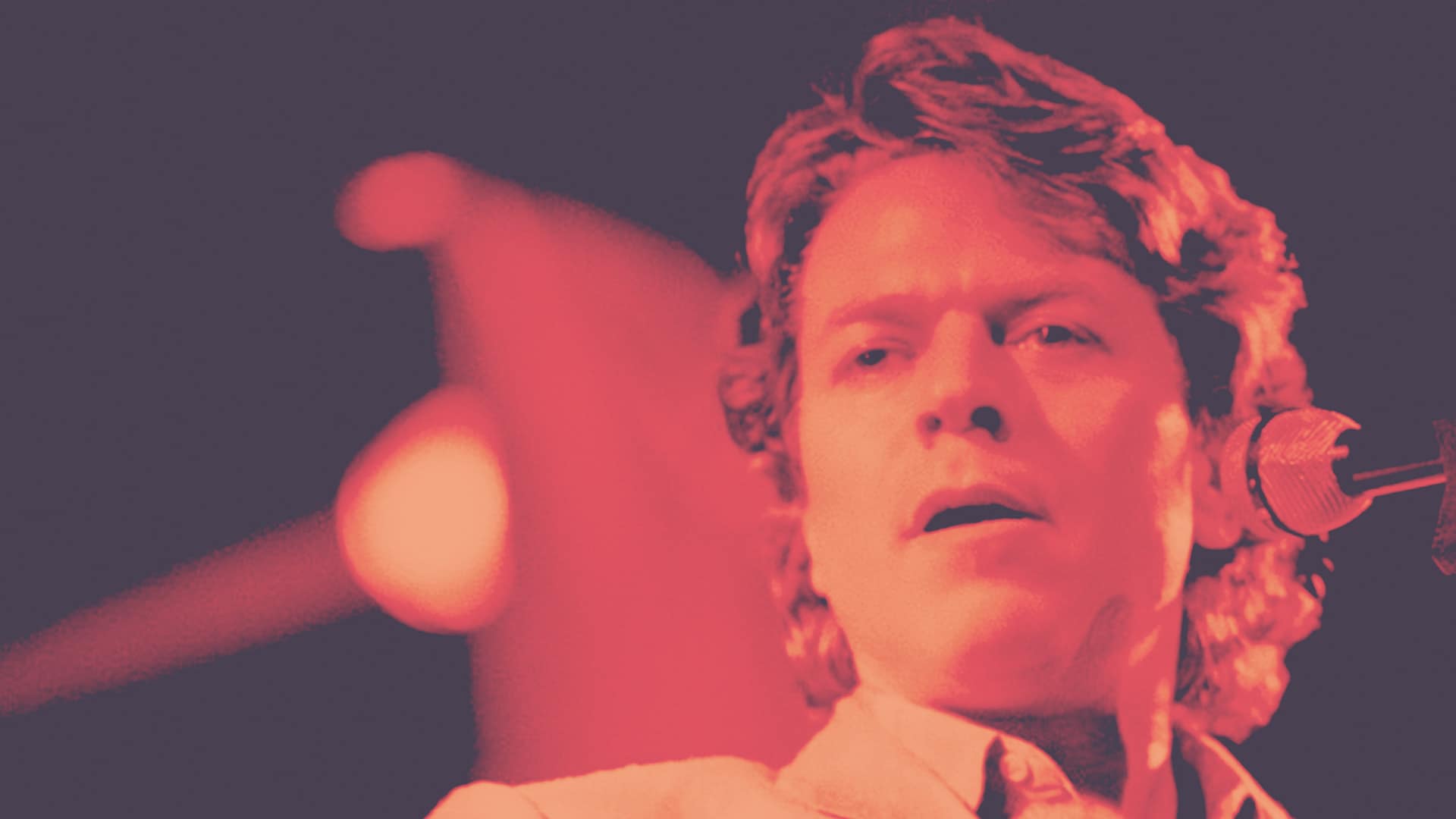
The end of 2025 marks the final shuttering of MTV’s music video channel, which has been broadcasting since 1981. Although its other business arms persist, its departure as a singular, influential medium, one that once dictated the commercial fate of artists. As technologies shift, no platform can reign forever; even MTV, which once defined how the world listened to (and viewed) music, must eventually take its bow.
During the 1980s and 90s, MTV reached its zenith of influence, entering every household with a television. Artists no longer needed to tour every corner of the globe to be seen. When music videos evolved into high-value promotional investments, budgets skyrocketed. Some productions possessed enough capital to fund a feature film; Michael Jackson’s “Scream” saw an investment of $7 million, while Guns N’ Roses’ “Estranged” approached $5 million. Each was a spectacle of vibrant visuals, exotic locations, visual effects, and stylised aesthetics designed to capture the world’s collective gaze.
Today, few acts invest in music videos on such a monumental scale. Yet, the legacy of that fierce competition is a catalogue of unforgettable imagery. “Addicted to Love”, a track from Robert Palmer’s eighth studio album, Riptide (1985). It remains his most enduring visual signature, long outlasting the very television station that propelled it to fame. The song itself is a masterclass in synthesis: the groove of funk, the raw power of rock, and the polished sophistication of pop.
The Journey of Robert Palmer
Prior to “Addicted to Love”, Robert released two singles, “Discipline of Love” and “Riptide”, both of which met with minimal commercial traction. For a time, his career trajectory seemed uncertain, despite over a decade in the industry. The release of “Addicted to Love” as a third single in January 1986, however, proved to be a watershed moment. It surged to number one on the Billboard Hot 100 on 3 May 1986 and drove album sales to over two million copies in the United States alone.
While the song was undeniably strong, so were its predecessors. Purely from a musical perspective, “Addicted to Love” did not necessarily overshadow his earlier work. Its competitive edge lay elsewhere: in the arresting imagery of its music video, which transformed Palmer into an icon of the MTV generation and a permanent fixture of pop culture.
Robert Palmer’s path was one of persistent professionalism. He fronted various collectives, including Vinegar Joe in the early 1970s, before launching his solo career with Sneakin’ Sally Through the Alley in 1974. Throughout, he built a reputation as a stylish, impeccably dressed vocalist with a refined melodic sensibility.
Though critics respected his work, a major chart-topping hit eluded him until 1984, when he joined The Power Station. This side project featured Andy Taylor and John Taylor of Duran Duran, alongside drummer Tony Thompson of Chic, with Chic’s Bernard Edwards producing . Their cover of T.Rex’s “Get It On (Bang a Gong)” and the hit “Some Like It Hot” (which reached number 6) brought Robert Palmer unexpected success before the group disbanded after just one album.
Crucially, this collaboration laid the groundwork for Riptide. Robert invited Bernard Edwards to produce the album, with Tony Thompson on drums and Andy Taylor contributing guitar to the track that would define Robert career: “Addicted to Love”.
“Addicted to Love”
The song’s skeletal structure is built upon a formidable rhythm section. Tony Thompson provided the track’s backbone, anchoring the beat on a heavy two and four. His signature use of an open hi-hat on the third beat became one of the track’s most recognisable hooks. Tony intentionally played slightly behind the beat to maximise the song’s sonic weight.
Tony’s drumming was the catalyst, seamlessly blending rock intensity with funk precision. A skill honed during the disco era with Chic . The drum sound itself was a deliberate architectural choice. Tony and sound engineer Jason Corsaro utilised a long corridor, placing microphones at various intervals to capture the natural reverberation and decay, resulting in a unique, booming resonance .
Add by Bernard Edwards’s deceptively simple, funky bassline, which functioned as both a primary riff and a sophisticated rhythmic anchor. Together, Bernard and Tony were the same duo that provided the foundational groove for Chic’s “Good Times”, later famously sampled by The Sugarhill Gang for “Rapper’s Delight” in 1979 .
The track was further elevated by Eddie Martinez’s heavy guitar riffs. Eddie previously worked on Run-DMC’s pioneering “Rock Box”) and a searing solo by Andy Taylor. Keyboardist Wally Badarou added subtle, shimmering sequencer patterns that grounded the rhythm. Because the majority of these musicians hailed from funk and disco backgrounds rather than traditional rock, “Addicted to Love” possessed a rhythmic drive that felt ahead of its time, presaging the genre-blending of later decades.
Vocally, Robert originally intended the track as a duet with R&B icon Chaka Khan. However, Khan’s management intervened, fearing the collaboration would conflict with the marketing for her successful I Feel For You(1984) album. Robert later revealed that Chaka had actually designed the vocal line during rehearsals, though she never publicly commented on her involvement. While one can only imagine how a soulful, R&B-infused duet would have sounded, the final result remains a flawless piece of pop production.
The Music Video
Directed by British fashion photographer Terence Donovan, the music video is a triumph of minimalist aesthetic. Robert sing in front of a band where the musicians are replaced by high-fashion models. This presentation perfectly aligned with Robert’s clean, sophisticated image, contrasting sharply with the rugged or casual personas of contemporary rock stars.
Donovan cast five models to portray the band:
- Julie Pankhurst (Keyboards)
- Patty Kelly (Guitar)
- Mak Gilchrist (Bass)
- Julia Bolino (Guitar)
- Kathy Davies (Drums)
Their appearance impeccably groomed with pale skin, slicked black hair, and bold red lips. It was inspired by the art of Patrick Nagel . Terence Donovan instructed them to remain motionless and detached, mimicking the stoic presence of mannequins or runway models.
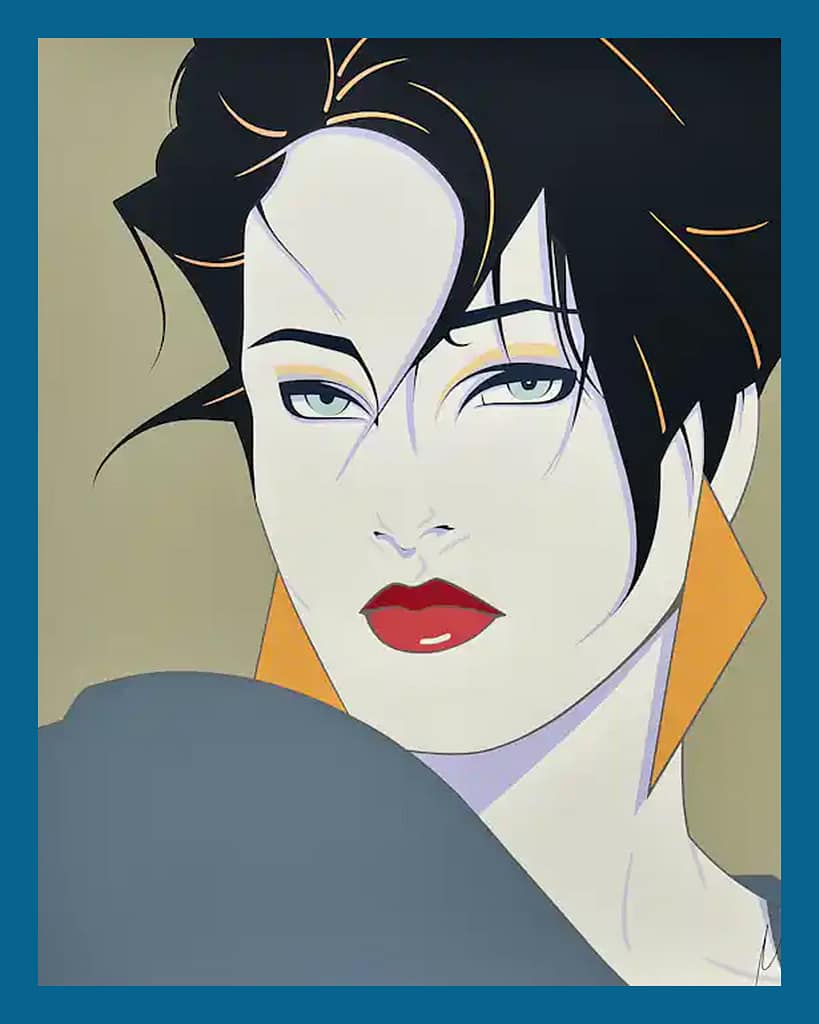
The video’s impact was seismic. At the 1986 MTV Video Music Awards, Van Halen famously opened their performance by mimicking the video before transitioning into “Best Of Both Worlds”. The aesthetic was reprised by Robert himself in “I Didn’t Mean to Turn You On” and “Simply Irresistible”, and eventually featured in Pepsi commercials, cementing it as a landmark of 80s visual culture.
Viewing the video today invites modern discussions regarding the “male gaze” and the objectification of women as mere decorative elements. Yet, the models’ cold, mechanical stiffness. Look like more mannequin than human, It could also be interpreted as a parody of those very values . Ultimately, the juxtaposition of the suave, suit-clad Englishman against this stylised backdrop created an image so potent it has etched itself into the collective memory of pop culture, proving far more durable than the medium that first brought it to light.